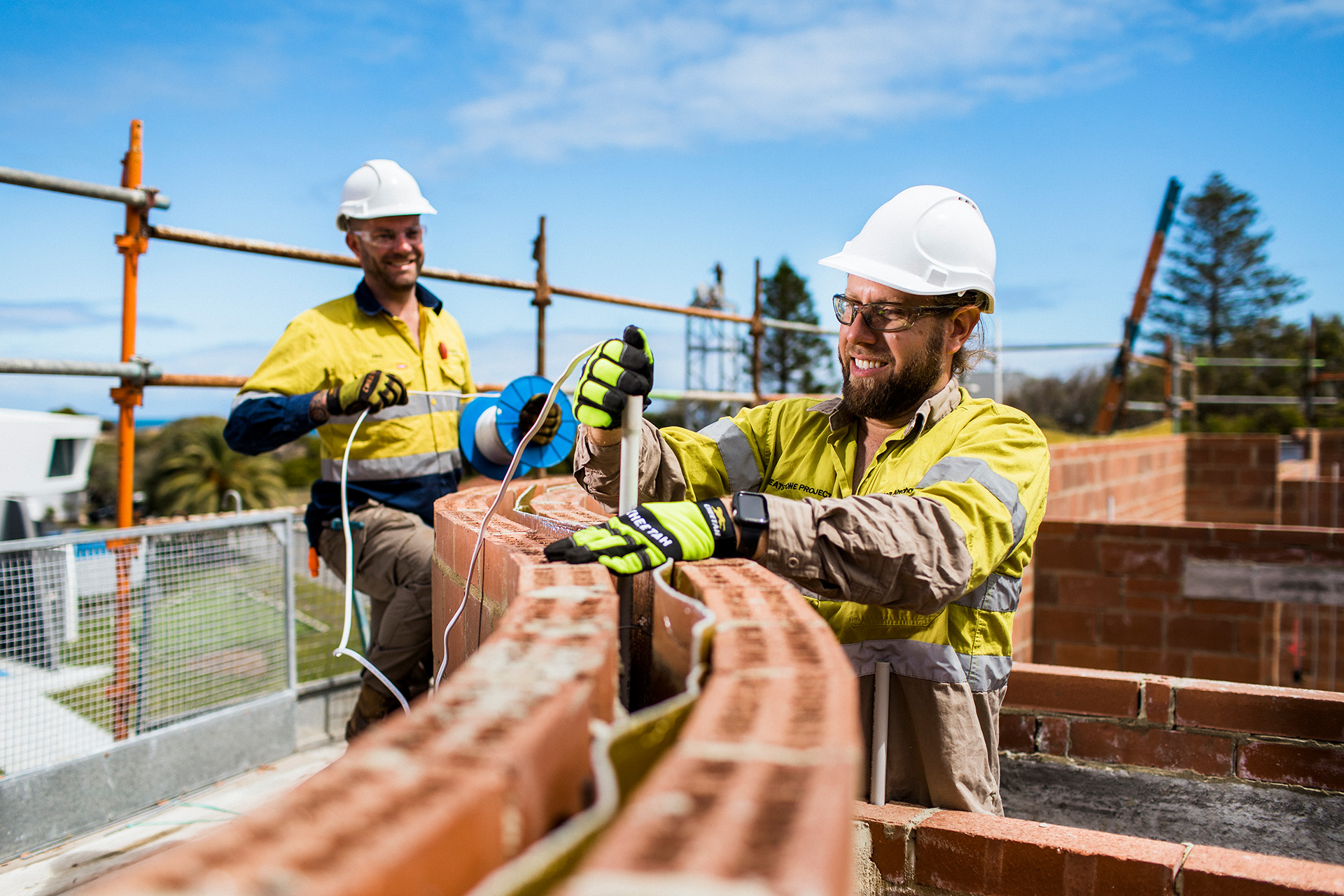
If you invest enough time on Australian building sites, you begin to see a pattern. The biggest occurrences hardly ever come from fanatic crashes. More frequently, they come from easy things done badly or not in all: no glasses while cutting, earmuffs hanging around the neck, harness clipped to absolutely nothing, dust mask on the chin.
That is precisely the gap the Australian White Card and the unit CPCWHS1001 Prepare to function securely in the building market attempt to close. Individual protective devices, or PPE, is not the only subject in a White Card course, but it is one of one of the most nsw WHS white card practical. When it is educated appropriately, brand-new workers do not just memorise that they need a construction hat, they learn how to select the right security, when it in fact makes a distinction, and exactly how it fits into the larger safety system on site.
This write-up walks through how top quality White Card training approaches PPE, what you must expect to learn, and how to bring those behaviors onto genuine jobs in Adelaide, Darwin, Hobart, Perth, Sydney, Brisbane and every site in between.
Where PPE Suits The Larger Safety Picture
The CPCWHS1001 course is not an item catalogue for PPE. At its core, it educates danger management for building and construction job. Fitness instructors take you through identifying dangers, evaluating risks, controlling them, and only after that, lastly, utilizing PPE as one layer of protection.
On a genuine site, the pecking order of control matters. You remove the threat first where possible, after that substitute, isolate, or designer controls. You back those with administrative actions such as safe job technique declarations, construction site indications, and clear construction emergency situation treatments. PPE generally sits at the end of this hierarchy.
Good White Card trainers explain this with genuine instances:
- grinding without a guard yet putting on shatterproof glass is still an inadequate control relying on a dust mask as opposed to making use of wet cutting or on-tool extraction for silica dirt building and construction work is not appropriate putting on a harness does not make operating at heights secure unless there is an appropriate support, shock-absorbing lanyard, and a rescue plan
That framework matters. PPE is important, however the message of CPCWHS1001 is that it is never ever the only defence.
What The White Card Really Covers About PPE
Although each signed up training organisation has its own delivery design, White Card course web content is assisted by the nationwide system CPCWHS1001 Prepare to function safely in the building sector. PPE strings through numerous components of the system, as opposed to sitting in a solitary chapter.
Trainers typically concentrate on 4 crucial results: identifying threats that require PPE, determining the proper equipment, making use of and suitable the gear correctly, and preserving, saving, and reporting issues with PPE.
You will normally see this at work with discussion, photos and videos, presentations of real PPE, and brief sensible activities. In a good one-on-one session in Adelaide, Darwin, Hobart or Perth, you will certainly take care of gear that has really been utilized on website, not just check out stock photos.
Recognising when PPE is needed
New employees typically undervalue how many tasks call for PPE. You may anticipate a construction hat and boots, but not think of respiratory system security for reducing fibre concrete, or hearing protection while using a tiny concrete saw.
During the course, the trainer should connect PPE to specific construction threats, such as dirt, sound, height, electricity, plant and equipment, hazardous substances, and extreme temperature levels. When the fitness instructor understands the trade setting, this component feels really useful. A carpenter will find out about nail guns and round saws. A future distribution motorist white card owner will read about PPE for confiding online streets and in filling docks.
By the time you complete the White Card evaluation, you ought to be able to consider a task, identify the most likely hazards, and name the PPE that should certainly remain in use.
Selecting the ideal equipment
One of the weak points of badly run courses is treating PPE as a tick box: "Use a safety helmet, glasses, boots." That is very little use when you are on actual work, whether under the Building Building Award 2020 or a separate venture contract. What you need is an understanding of the differences between gear.
For instance, you find out that:
- not all shatterproof glass are equal; wraparound, anti‑fog and impact‑rated lenses matter on lots of websites disposable dust masks are not the like half‑face respirators with appropriate filters, specifically around silica dirt or asbestos construction websites chemical immune gloves vary significantly from standard riggers handwear covers some hearing defense is developed for periodic use, while others are required in constant high‑noise environments such as close to jackhammers or particular plant equipment
You are not expected to become a work-related hygienist in a three or four‑hour course. Yet you should leave with sufficient expertise to read labels, ask inquiries, and recognise when the PPE supplied on a building website feels inadequate.
Core Types Of PPE Covered In White Card Training
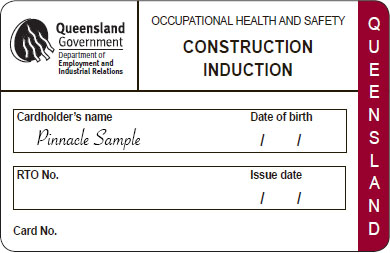
While each state has its https://skillstrainingcollege.com.au/course/cpcwhs1001-prepare-to-work-safely-in-the-construction-industry/ very own regulatory authority and some information differ between a white card in NSW, Queensland, Victoria, Western Australia and South Australia, the basics of PPE correspond nationwide.
Here are the main classifications of PPE that a quality Australian White Card course will normally clarify and demonstrate.
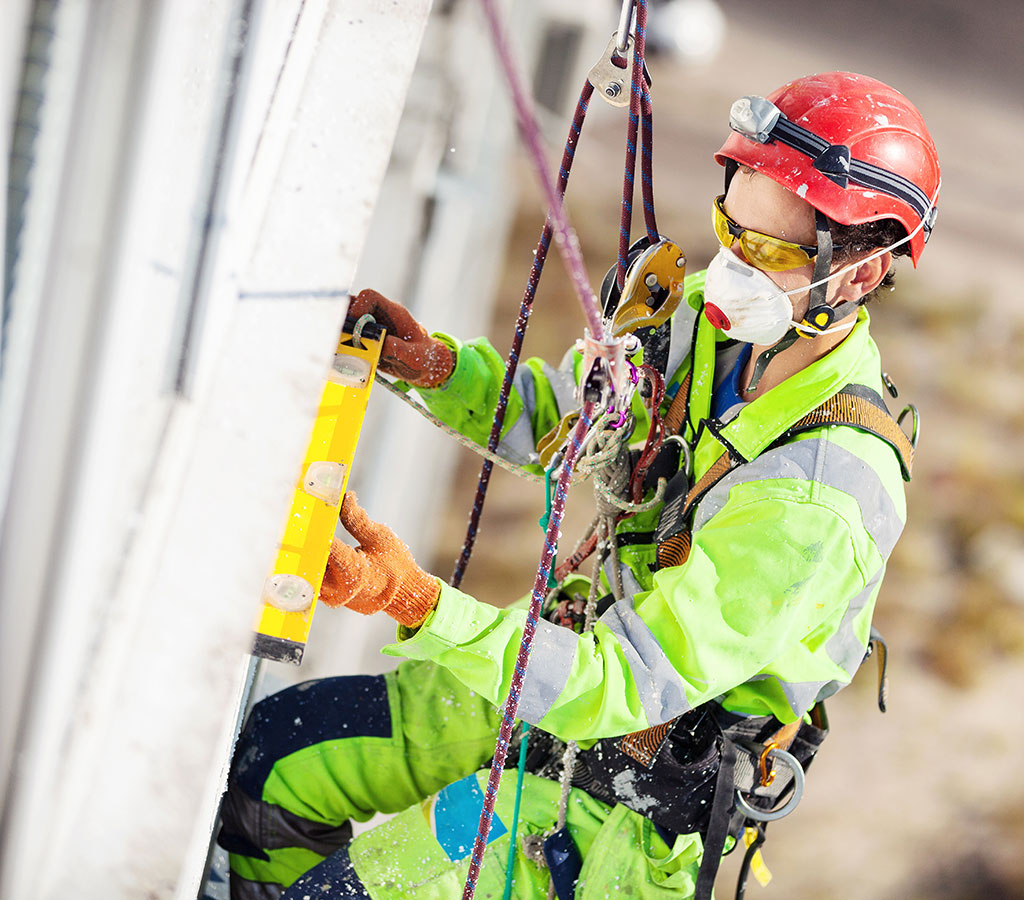
- Head defense: Hard hats ranked to Australian requirements, with info concerning expiry dates, damage from UV exposure, and exactly how to change suspension systems. Fitness instructors typically show instances of broken or faded safety helmets and discuss why they get obtained of service. Eye and face security: Safety glasses, goggles, and face guards. Expect conversation on grinding, reducing, exploration, chemical dashes, and even wind‑blown dirt building websites. Workers learn the standard distinction between splash protection and influence protection. Hand and body defense: Gloves for different jobs, long sleeves, high‑visibility garments, and occasionally disposable coveralls for work around asbestos or other hazardous compounds. Trainers may talk about snag risks near turning plant, and why loose apparel is dangerous. Foot protection: Safety and security boots with steel or composite caps, slip‑resistant soles and ankle support. Fitness instructors usually reference actual injury instances from labourer white card holders that turned up in joggers and paid the price. Hearing and breathing protection: Earmuffs, earplugs, dust masks, half‑face respirators, and occasionally powered air‑purifying respirators. This is typically connected to noise construction site risks, silica dust building websites, welding fumes, and diesel particulates from plant.
Some companies will certainly likewise discuss task‑specific PPE for dogging and rigging, operating at heights construction jobs, or electric security building job. That is particularly common in team white card training sessions arranged by employers who run in higher‑risk particular niches such as precast backyards, mining, or major facilities projects.
How Great Fitness instructors Show PPE: Real Stories, Not Just Rules
You can normally tell within 10 mins whether a fitness instructor has real site experience. A trainer that has actually spent years in construction, as a supervisor, job manager, designer, or tradesperson, discusses PPE in the language of "I have seen this go wrong" as opposed to "you should abide by Regulation X".
I have actually sat in on Adelaide White Card sessions where a professional carpenter drops a cracked pair of safety glasses on the workdesk and quietly defines the day a nail ricocheted off a joist. Everyone leans in. Nobody checks their phone. Afterwards tale, no person fails to remember to place on glasses when using a nail gun.
In Hobart White Card training courses, it prevails to listen to instances from local jobs: high wind on revealed scaffolds, icy early mornings that transform ramps right into slides, unanticipated asbestos in older real estate supply. Connecting PPE to regional problems makes the message stick, a lot more than abstract slides.
The finest company white card training for larger firms functions similarly, but at range. Trainers tailor instances to the firm's own plant, usual jobs, and incident history. If your organisation usually functions around real-time traffic, expect a lot of focus on high‑visibility clothes, watchmans, and hearing security that still allows communication.
Even in a short program, these stories do greater than any kind of poster can do. They transform "PPE building site policies" right into habits grounded in actual consequences.
PPE And Various Construction Roles
A common concern from people getting going in construction is whether every person needs exactly the exact same PPE. The White Card does not accredit you for specific tasks, yet it does show you what is common for various roles.
Carpenters, painters, plumbings, electrical contractors, engineers, surveyors, task managers, labourers, pupils, and also real estate representatives accessing online building sites for inspections or advertising and marketing job, all require some degree of PPE and a building and construction induction card.
During the CPCWHS1001 course, trainers will typically give trade‑specific examples:
- carpenters white card holders are reminded about eye and hearing security for power devices, dirt masks for reducing treated timber and fibre cement, and drop protection when servicing frames or roofings painters white card owners become aware of respirators for solvent‑based paints and sprays, coveralls and handwear covers to limit skin call, and the risk of lead paint on older frameworks plumbers and electrical contractors find out about hand protection, kneepads, eye defense for drilling and grinding, and lockout procedures and insulated tools for electric safety construction work surveyors and designers white card owners, commonly relocating in between numerous service providers and live work zones, emphasis greatly on high‑visibility apparel, risk-free gain access to plans, and situational awareness near plant delivery vehicle drivers entering sites to hand over products require a minimum of hard hat, hi‑vis and boots, and they must recognize traffic management plans and building site signs
The message in the White Card course is clear: the particular mix of PPE varies with the work, but no person who steps onto a building website is excluded from the standard requirements.
Respiratory PPE: Dust, Asbestos And Silica
Respiratory defense is where the space between "put on a dirt mask" and "recognize the danger" can be deadly. Excellent White Card training tackles this thoroughly, especially around asbestos construction sites and crystalline silica.
Workers often ignore how harmful fine dust can be due to the fact that they do not feel an immediate impact. Fitness instructors utilize instances from silica dirt building sites to drive home the factor. Cutting concrete, chasing walls, or making use of a hand grinder on masonry without appropriate controls might not injure today, however over years it can result in silicosis, a serious and often fatal lung disease.
During the course, expect to find out the difference between visible problem dust and fine respirable dust, the duty of design controls like water suppression and extraction, and when an easy non reusable mask is not enough. You will likewise become aware of asbestos consisting of materials in older structures, and why untrained workers need to never ever interrupt suspicious materials and should follow rigorous procedures.
You do not become licenced to remove asbestos with a White Card course. That sits under separate construction licences Australia frameworks. But you do learn one crucial thing: if you believe asbestos, stop and escalate, do not "just obtain it done".
Hearing Security And Sound On Site
Noise is just one of the most consistently ignored hazards on building and construction tasks. On a hectic website, every person obtains utilized to it. That is precisely why trainers maintain bringing it up throughout White Card sessions.
You find out about common sound levels from devices and plant, the long‑term threat of hearing loss and tinnitus, and the distinction between brief exposure and constant, full‑shift noise. Instructors use basic examples. Stand near a jackhammer for more than a few mins without earmuffs and you are not simply uneasy, you are accumulating permanent damage.
white card adelaide trainingThe PPE section covers the advantages and disadvantages of earmuffs versus plugs, concerns with compatibility with construction hats or glasses, and the importance of appropriate insertion and fit. It additionally touches on communication. In complicated environments, the answer is not to eliminate hearing security to talk, but to use suitable tools such as radio headsets or pre‑arranged hand signals, supported by strong WHS communication building practices.
Heat, Cold And Other Environmental Risks
Australian websites see extremes. Warmth tension construction dangers in Darwin or Western Queensland really feel very different from icy scaffolds in Hobart. White Card course instructors usually do not go deep right into thermal physiology, but they do educate exactly how PPE connects with climate.
High presence long sleeves and pants are often required. In high warm, that apparel, combined with helmets and gloves, can result in dehydration and heat tension without proper breaks and hydration. Instructors explain the indicators of warm health problem, the importance of shaded remainder locations, and why you should not wait up until you really feel pale to talk up.
In cooler environments, the focus may be on non‑slip footwear for chilly mornings, extra layers that still follow hi‑vis demands, and the influence of chilly on hand-operated handling and grip strength.
PPE is only component of the answer, but understanding just how it behaves in real weather condition aids new workers prepare and acknowledge when a task has come to be unsafe.
PPE, Handbook Handling And Plant
Manual handling building work and communication with plant devices are responsible for a huge share of injuries on any kind of site. White Card training addresses both, and once more, PPE is one item of the puzzle, not the whole story.
During CPCWHS1001, you discover:
- reducing hand-operated managing risks with planning, mechanical aids, and team lifts, with gloves, good boots and clothes that allows activity as sustaining controls plant equipment safety and security building guidelines, such as exclusion areas, watchmans, reversing alarm systems, and exactly how high‑visibility PPE assists drivers see employees on foot the threat of loose clothes, lanyards or even badly adjusted harness straps getting caught in moving components
An easy anecdote frequently does greater than any kind of policy publication. As an example, a fitness instructor could recall a near miss where a worker entered the dead spot of a telehandler while wearing non‑hi‑vis clothes, and exactly how the driver only just stopped in time. The lesson about hi‑vis conformity unexpectedly has teeth.
How The Training course Assessment Enhances PPE Knowledge
Many individuals nervously search for "CPCCWHS1001 white card answers" or "white card inquiries and answers pdf" prior to they book a training course. It is understandable, particularly for those new to construction or those who have actually not studied for a while.
What matters more than memorising responses is understanding how the analysis checks your useful grasp of PPE. You can anticipate:
- multiple option inquiries regarding matching threats to correct PPE scenario concerns, such as being asked what you would use while utilizing a mill or knocking down a wall verbal examining during face to face or on-line sessions, where you could be asked to describe exactly how to check or maintain PPE in some programs, straightforward demonstrations, such as properly suitable a harness or respirator, or recognizing mistakes with a hard hat
The white card test is not created to be unjust or trick you. If you take note during the course and think of how each sort of PPE suits the bigger security picture, you should be fine.
If you are bothered with whether the white card course is hard, a functional method helps: attempt a technique white card examination from a reputable service provider, focus on understanding instead of rote understanding, and speak out throughout the session if something about PPE or various other hazards does not make sense.
Online Versus Face To Face: Does It Affect PPE Learning?
A recurring question is "Can I do White Card online?" The response differs by state and area. As an example, some territories limit or ban completely on the internet delivery and call for white card face to face training. Others enable on-line training courses with rigorous identity and guidance requirements.
From a PPE discovering perspective, right here is the trade‑off. Online White Card courses can be convenient, specifically if you remain in remote locations or juggling shift work. You can still be revealed pictures, videos, and representations of PPE, and you will address the very same theory concerns as a classroom group.
Face to encounter training, whether in a small regional location such as Morphett Vale White Card or Salisbury White Card sessions, or in big business white card training on a customer's website, usually provides you something added: the chance to physically manage PPE, see damage initial hand, and ask spontaneous concerns while attempting equipment on. For lots of brand-new employees, that tactile experience makes a real difference.
If you choose an online shipment where your state or territory permits it, search for service providers who still make PPE practical. That might suggest mailing out a simple PPE pack, using live video demos rather than fixed slides, or requiring you to show that you know how to fit certain products using webcam.
Regardless of style, the White Card declaration of achievement and physical or digital card you obtain, whether a VIC White Card, SA White Card, NSW White Card, WA White Card or QLD White Card, depends on the exact same national device CPCWHS1001.
Practical Routines To Extract from The Training Course Onto Site
The worth of any White Card, whether an Adelaide White Card, Darwin White Card, Hobart White Card, Perth White Card or a card released in other places, depends on what you do on your very first genuine change. Here are practical behaviors worth bring from the classroom to the job.
- Inspect before you use: Make it automatic to look into your hard hat, boots, glasses and other PPE at the beginning of each change. Cracks, deep cuts, worn straps, missing out on items or fogged lenses are all reasons to speak out and get replacements. Match PPE to the job: Do not simply wear "whatever is in the storage locker." Think of the risks of what you are about to do, specifically around dust, noise and elevation, and choose PPE that really controls those risks. Keep it on, maintain it fitted: PPE around your neck, on your head but unfastened, or put on under a cap or beanie, is not doing its job. Take minority added seconds to fit it right, also when the task looks quick. Speak up regarding poor equipment: If the only dirt masks available are clearly poor for the job, or if hearing security is missing near a loud job, increasing it becomes part of your task. Appropriate PPE is not a luxury, it is a basic building and construction jobs white card expectation. Treat PPE as common obligation: Supervisors, job managers, labourers, pupils, and visitors all contribute. Encourage newer employees, ask concerns when you are unsure, and set a basic by instance, not simply words.
These routines are not just for professions. Whether you are on a building and construction instruction, working in traffic control, stepping onto a film established white card setting that uses construction methods for scenery, or taking care of a job team, the principles hold.
Using The White Card Framework For Long‑Term Safety
Your White Card does not end in many states, although specific rules, like the NSW White Card expiry policy for extended periods of non‑use, can apply. Cards can likewise be replaced if shed, with procedures such as White Card substitute SA or replacement White Card WA in position with releasing RTOs or regulators.
The truth that the physical card may last is both a strength and a danger. It is a stamina because your basic induction does not lapse every few years. It is a threat if individuals deal with the White Card as "done and dusted" training as opposed to a beginning point.
PPE method progresses. New materials, better respirators, clearer face shields and boosted harness systems enter into the marketplace. Specifications tighten around silica, asbestos, sound and other threats as regulatory authorities reply to emerging evidence.
The best approach is to deal with the White Card and CPCWHS1001 program as the first phase. After that, pay attention to site inductions, tool kit talks, security alerts, and updates from your employer. When you relocate into higher obligation functions, such as supervisor or website supervisor, bear in mind the PPE fundamentals you found out, and support younger employees to develop the very same habits.
Ultimately, on a building website, PPE shows up evidence of invisible reasoning. When you see workers putting on clean, appropriate, well‑maintained PPE, fitted correctly and used consistently, you can usually think that there is a strong culture of risk management behind it. The White Card course is created to start that thinking on day one. The remainder is lived, shift by shift, on real work with actual dangers, where the distinction in between a close to miss and a significant injury can be as small as the thickness of a lens or the toughness of a helmet shell.